
WORLD
Human Rights
ORGANIZATION
VZW
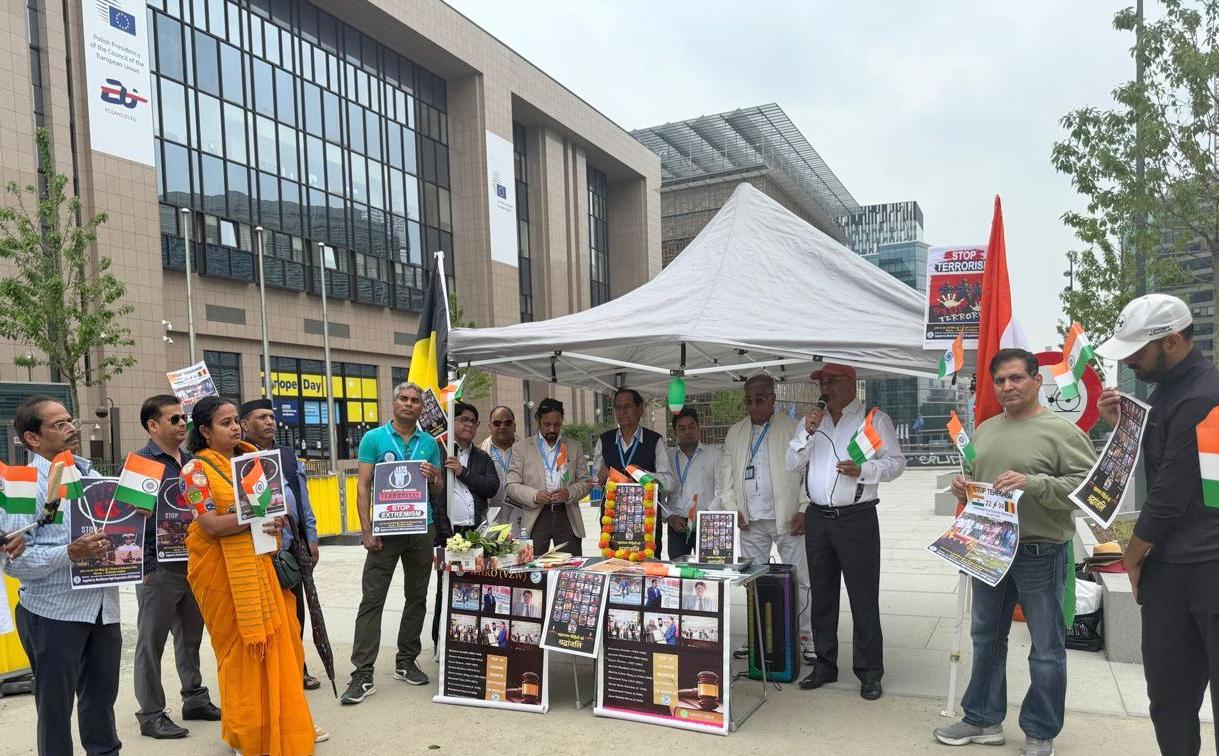
Message: Human Right – Right to Privacy
The Right to Privacy is recognized as a fundamental human right under Article 12 of the Universal Declaration of Human Rights (UDHR), which protects individuals from arbitrary interference in their personal life, family, home, and communications.
???? India’s Position
• In 2017, the Supreme Court of India (Puttaswamy Judgment) declared the Right to Privacy as a part of the Right to Life and Personal Liberty (Article 21, Indian Constitution).
• Despite this, disputes continue around:
o Surveillance laws (Aadhaar data collection, phone tapping, facial recognition, social media monitoring).
o Data protection (India’s Digital Personal Data Protection Act, 2023 aims to regulate but is criticized for wide government exemptions).
o Reality vs. Law – While the Constitution promises privacy, in practice, citizens face mass data collection, limited transparency, and weak enforcement.
???? Surrounding Countries Situation
• Pakistan – Recognizes privacy under its Constitution (Article 14), but widespread surveillance and weak implementation remain.
• Bangladesh – Has laws on data protection, but state monitoring of digital platforms raises privacy concerns.
• Nepal – Guarantees privacy as a fundamental right in its Constitution (2015), but digital enforcement is still underdeveloped.
• China – Officially has data protection laws, but state surveillance and control override individual privacy rights.
• Sri Lanka & Myanmar – Weak protection, government monitoring of digital activity is common.
⚖️ Law vs. Reality
• Law: Privacy is guaranteed in most constitutions and international human rights frameworks.
• Reality: Governments often compromise privacy in the name of national security, surveillance, and digital governance. Citizens’ personal data, online activity, and communications remain at risk.
???? Thus, the Right to Privacy is a universal promise, but in practice, most countries—including India—struggle to balance security, governance, and individual freedom.